
Like all things humans argue about, abortion is a product of language, history, and economics. By definition, abortion is the termination of a pregnancy by removal of the embryo or fetus before it can live as a body outside the female uterus. The modern controversies over abortion—invariably imbedded in religious rhetoric—are grounded on the definition of when “life” begins. Thus, the arguments about the definition of when the embryo/fetus becomes “a human being”.


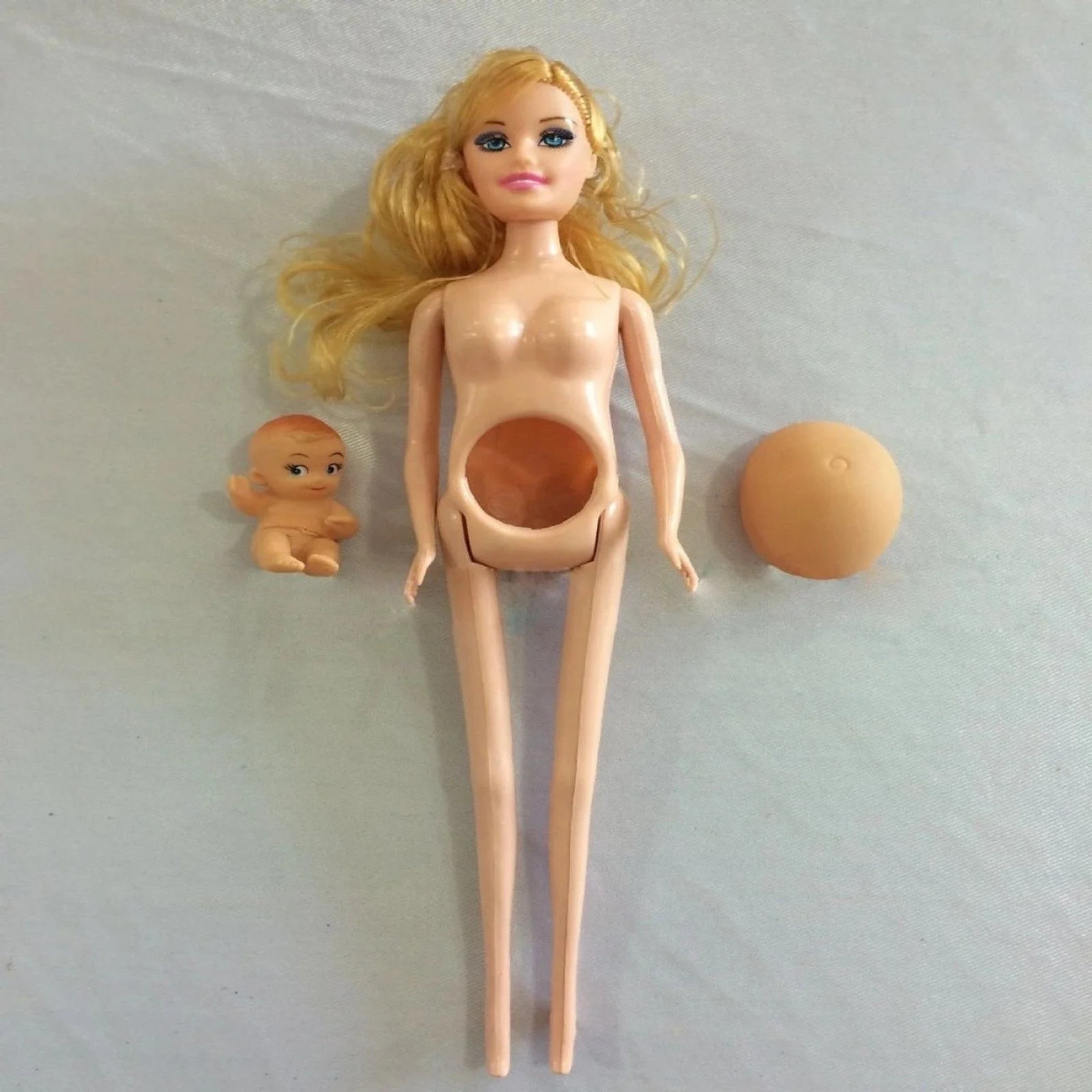
While some speculate the use of an artificial uterus could make women lose their reproductive power and as such their worth, in terms of biopower, to society, others argue the use of an artificial uterus can liberate women from the psychical toll and discomfort of pregnancy. Perhaps the more pressing issue is what the artificial uterus could mean for abortion laws.
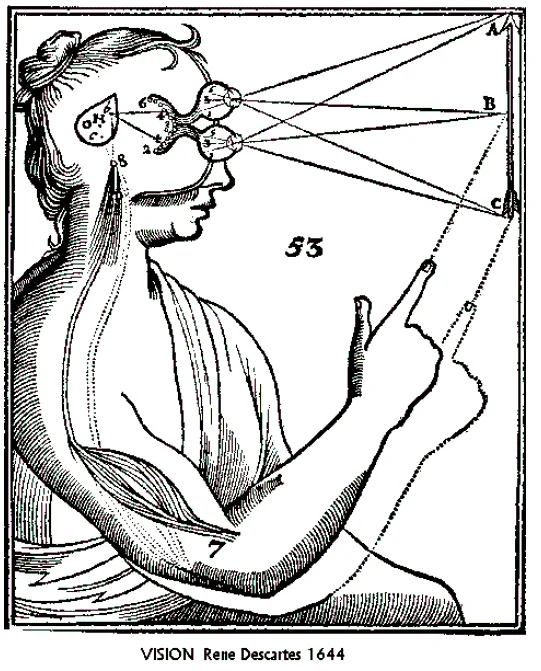
For Descartes, the mind needs to be the controlling force in human existence just as for yogic thought the mind must be the guide of all individual being—the body simply cannot be allowed to rule because (and on this point yogic thought is quite more adamant than Cartesian thought) the body is the root of futile desire.
Philosopher Gilles Deleuze would say that not one organ actually produces anything, all productions are collectively produced by the entire body, and actually, by more than the body but a complex of bodies and environments.
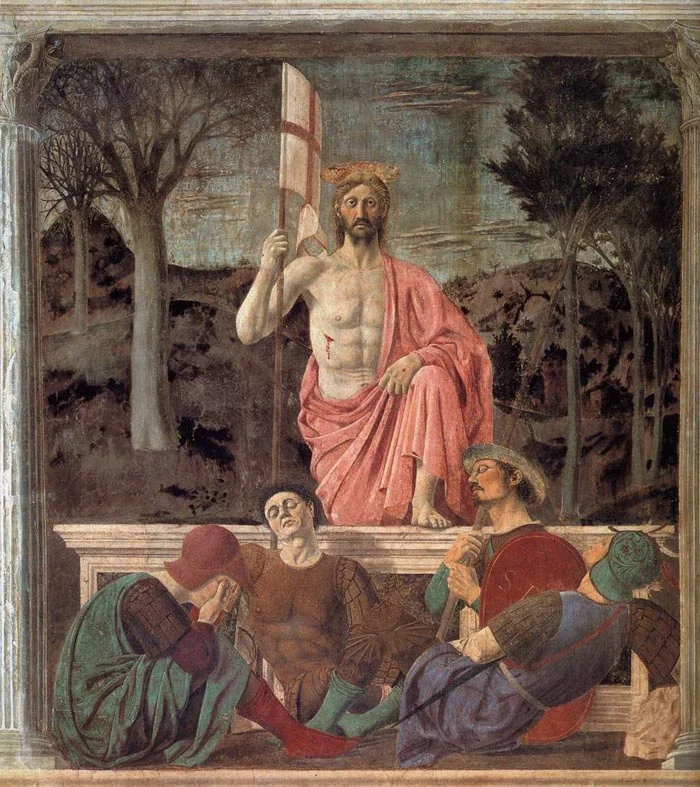
When studying the historical Jesus, it becomes clear that much of the efficacy of that most famous of itinerant preachers was directly related to his physical body. Most historically important was the manner in which Jesus of Nazareth collapsed the symbolic and real precisely through his body.
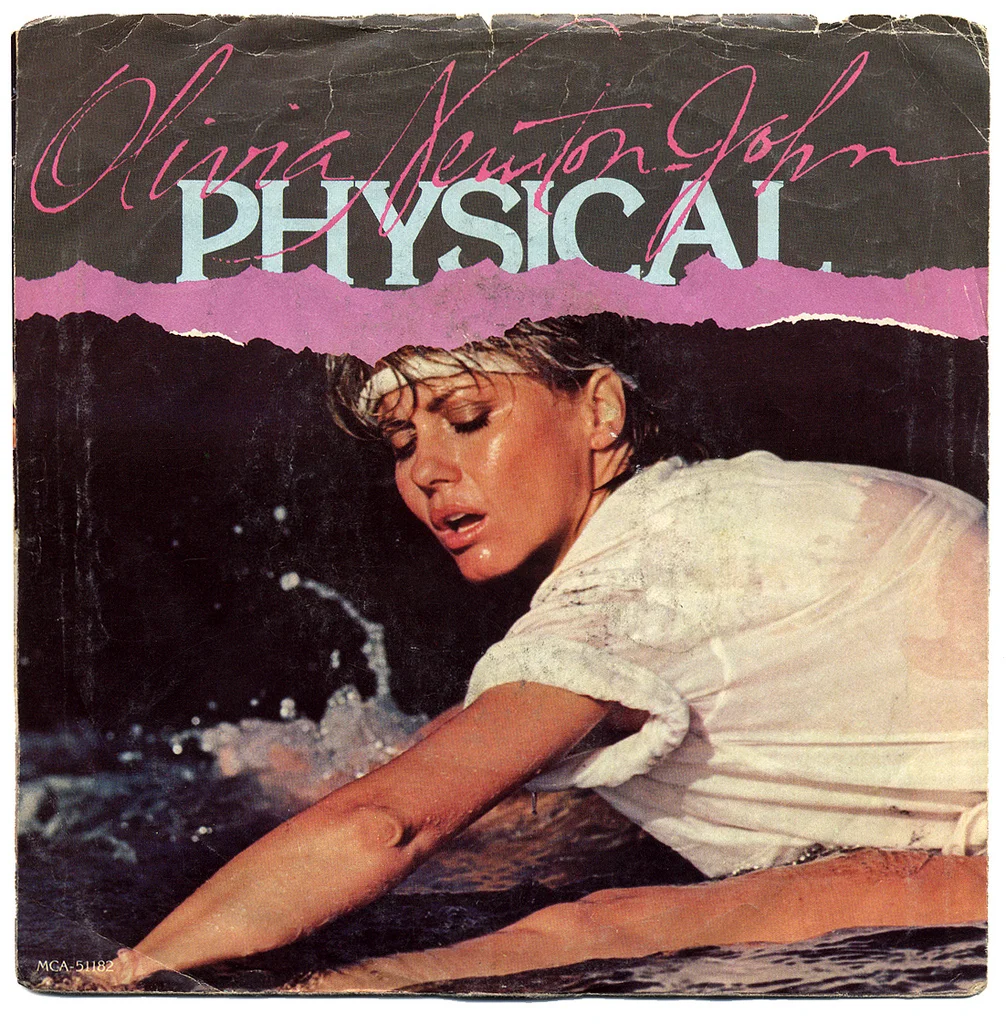
Released in September 1981, Olivia Newton-John’s “Physical” was a chart-topping hit because its sexy lyrics and Grammy Award-winning video embodied the aerobic revolution of the 1980s—an era that took short-shorts and leotards out of the disco and into the gym or living room where the people wearing them exercised with fitness icons such as Jane Fonda and Richard Simmons.
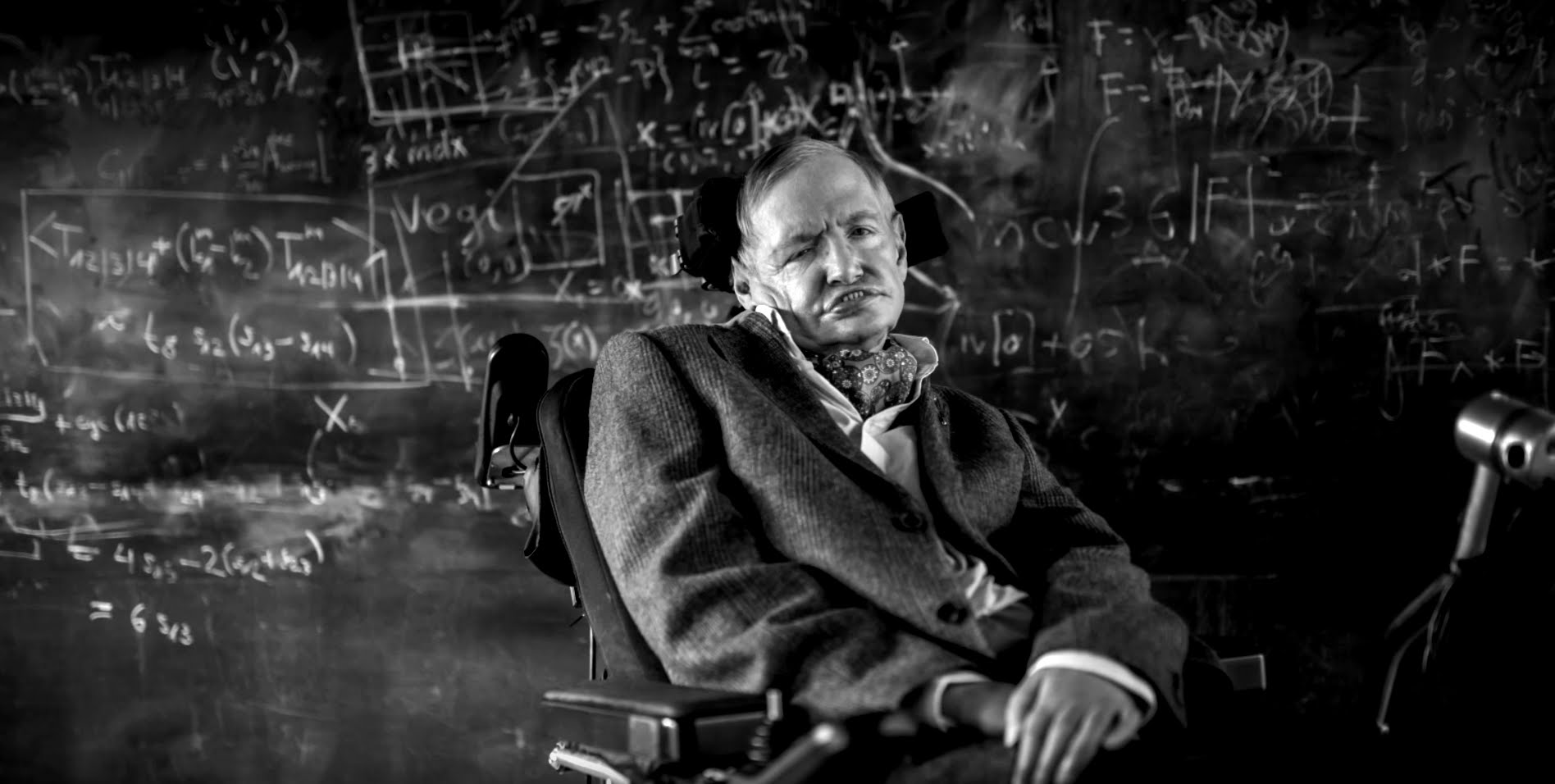
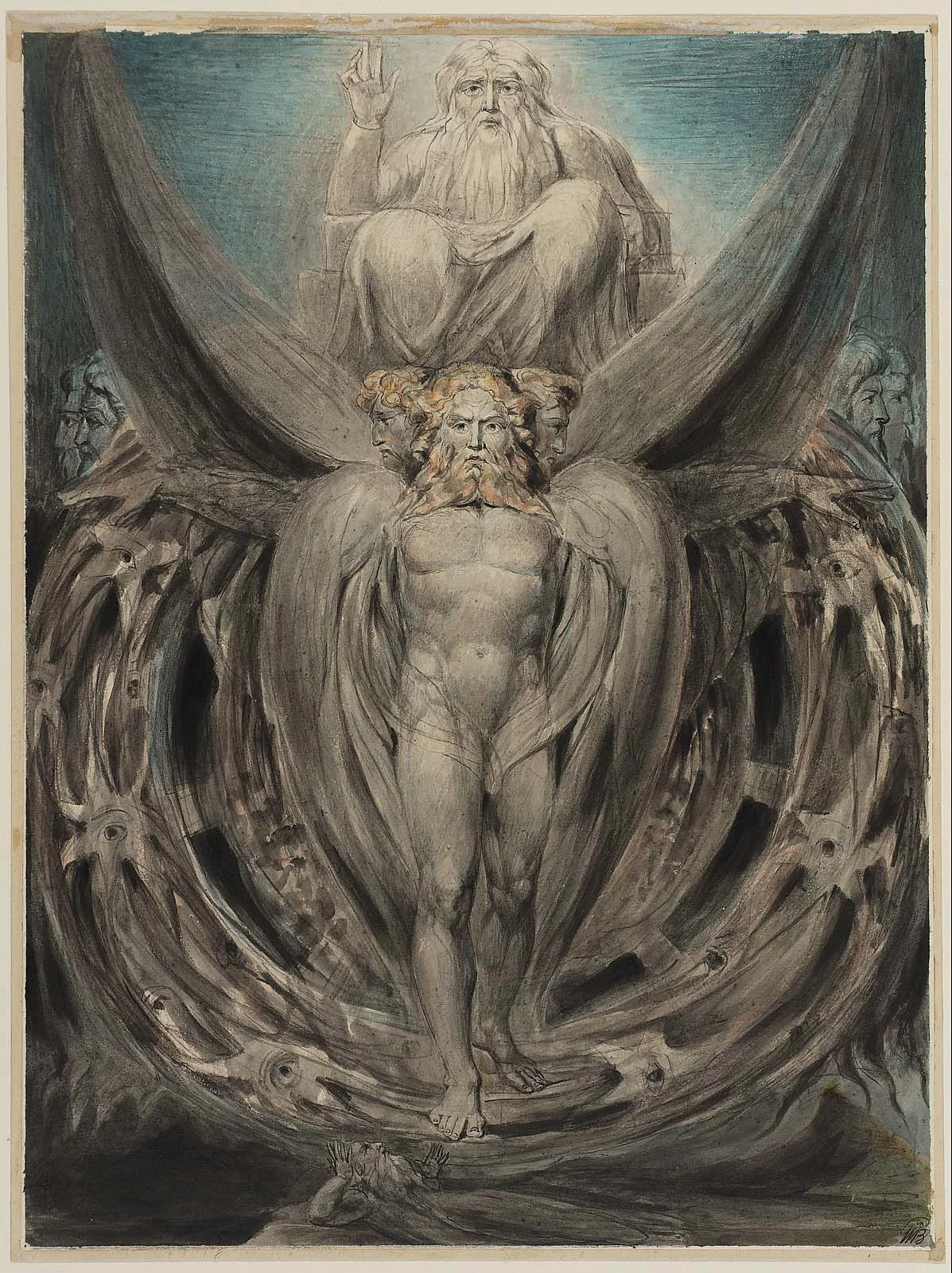
Sung in classrooms and at Halloween parties across the country, “The Skeleton Song” teaches children basic anatomy to a catchy tune, making it easy to remember “the thigh bone is connected to the hip bone.” However, “The Skeleton Song,” also known as “The Skeleton Dance,” is a secularized version of writer and Civil Rights activist James Weldon Johnson’s “Dem Bones.”

It is not surprising that the notion of bodily violation is ubiquitous in the horror genre: from Dracula to Alien, the idea that some supernatural/biological Other can enter our bodies is as old as myth and folklore, the most ancient and universal notion being bodily possession by demons.
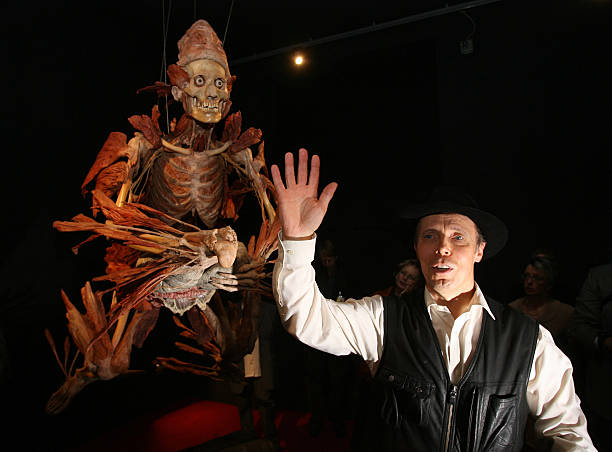
Body Worlds’ success doesn’t stem from displaying real cadavers (viewers of the first exhibitions were afraid to approach the corpses because they were posed as corpses), but from displaying real cadavers in freakish poses.